
When a legacy aircraft part loses its source, build-to-print can restore supply without a redesign. How DMSMS is managed and what a program needs ready.
DMSMS stands for Diminishing Manufacturing Sources and Material Shortages: the loss, or coming loss, of the manufacturers or suppliers of parts, raw materials or software. For legacy helicopters and fixed-wing aircraft, a mechanical part that has lost its original source can often be restored by a qualified build-to-print supplier working from the approved drawing, without a redesign.
Military and commercial aircraft stay in service for decades. The companies that made their original parts do not always stay in that business as long. This guide explains how DMSMS is managed, where build-to-print sourcing fits, and what a program needs to have ready.
Why Legacy Aircraft Run Into DMSMS
The Department of Defense's DMSMS guidebook, SD-22, published through the Defense Standardization Program Office, makes the point directly: defense system life cycles are longer than technology life cycles, so DMSMS issues are inevitable.
For aircraft hardware, the causes are usually practical rather than technical:
- The original supplier exits the market, is acquired or closes a product line.
- Annual demand for a spare falls so low that production is no longer worth the setup.
- Tooling, fixtures or process knowledge are lost over time.
- A specified material or finish is discontinued or restricted.
- A specification referenced on the drawing is canceled or superseded.
Electronics get most of the attention, but machined parts and mechanical and hydraulic assemblies are affected too. A worn bushing, a rod end or a valve body can ground an aircraft as surely as a circuit card.
How DMSMS Is Managed
SD-22 describes a proactive process rather than a scramble when a part runs out. In outline, a program prepares a management plan, identifies items at risk, assesses the impact on readiness and schedule, analyzes the possible resolutions and then implements the best one.
The aim is to find problems while there is still time and stock to solve them well. A part flagged two years before the last unit is used gives far more options than one discovered when an aircraft is waiting.
The Main Resolution Options
Typical ways to resolve a DMSMS issue include:
- Use existing stock, including inventory held elsewhere in the supply system.
- Make a lifetime buy from the current source before production ends.
- Approve a substitute or alternate item that meets the same requirements.
- Qualify a new or alternate source to make the same part.
- Reclaim parts from retired assets, where that is allowed.
- Redesign the part or the next higher assembly.
Each option has a different cost, lead time and level of engineering approval. Redesign usually costs the most and takes the longest, because it brings new analysis, testing and qualification with it.
Where Build-to-Print Fits
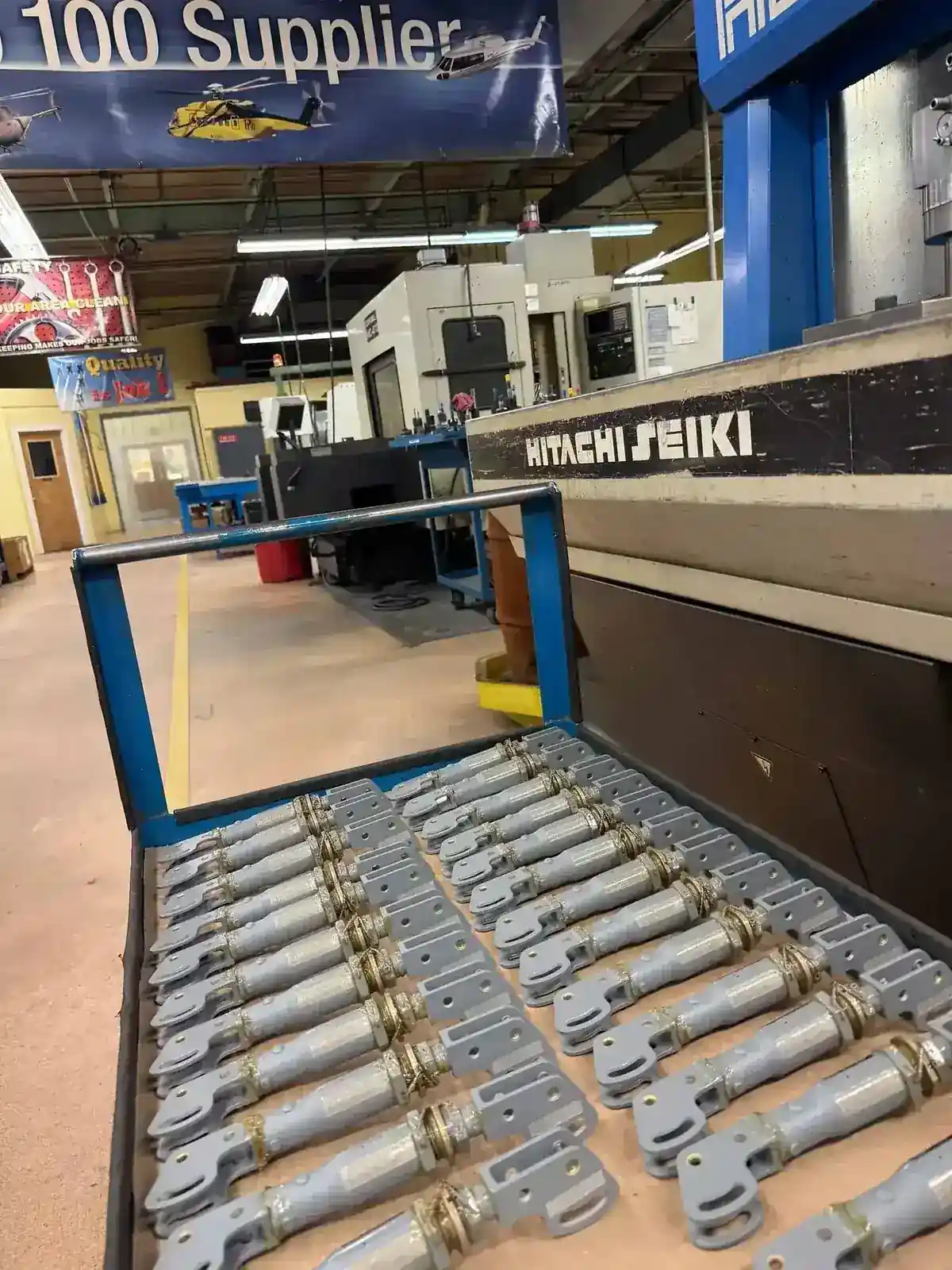
For many mechanical parts, the design data still exists. If the drawing package is complete and current, a qualified supplier can make the same part to the same print, which keeps the design unchanged and avoids the cost of a redesign.
That route works best when these pieces are in place:
- A complete drawing package at the correct revision, with every referenced material, process and inspection specification.
- The right to use the data, which depends on who owns the technical data and what the contract allows.
- Source approval from the engineering authority responsible for the part, whether the OEM or the government.
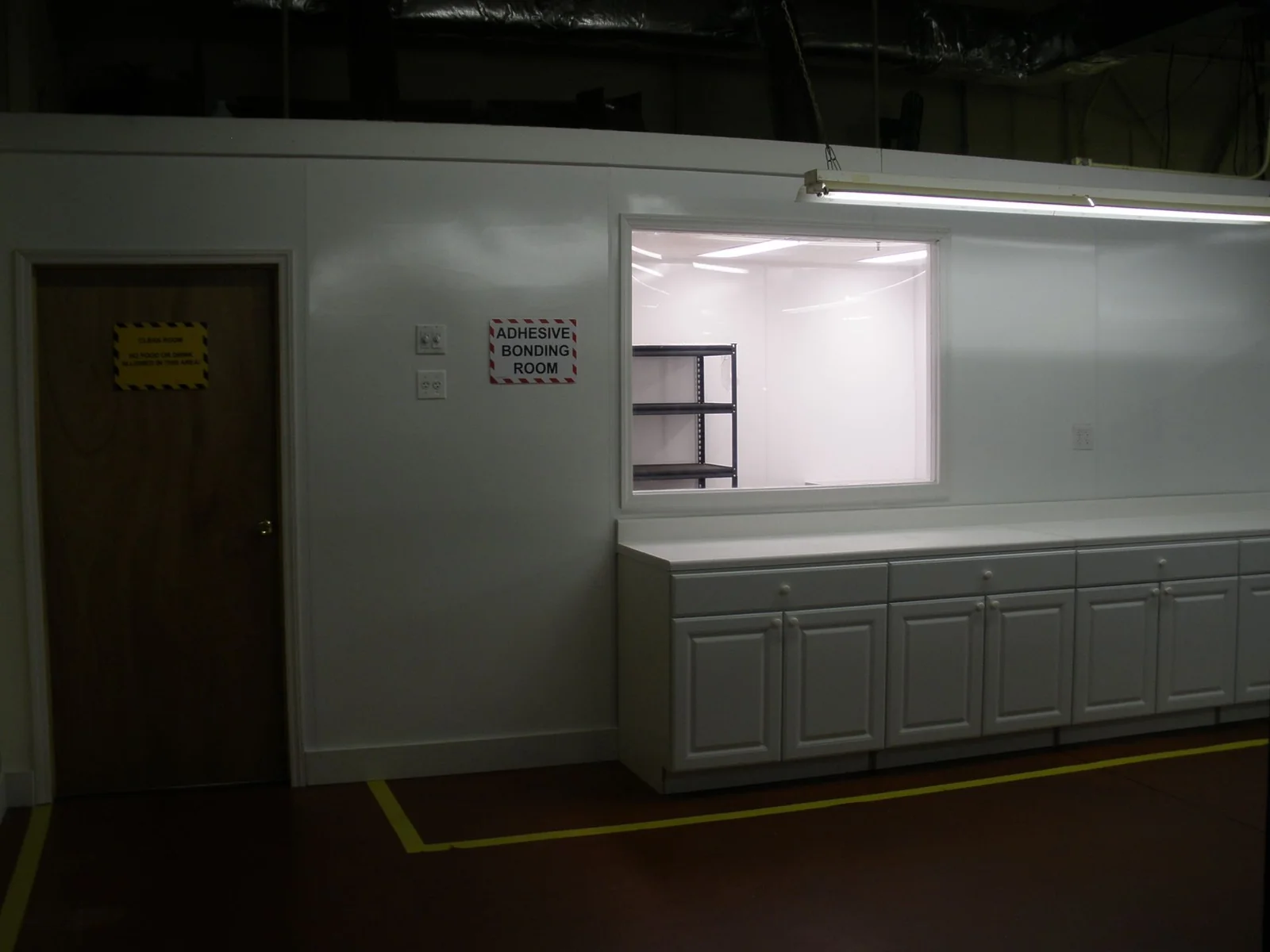
- Special process approvals the drawing calls for, such as bonding, heat treatment or nital etch inspection.
- First article inspection to prove the new source's process, as described in our guide to first-article inspection.
- Full traceability from material certification to the shipped part.
Common Pitfalls
Legacy drawings bring their own problems. Watch for:
- Canceled specifications called out on old drawings, which need an approved replacement before work starts.
- Missing or illegible data, such as notes, sheets or revision history.
- Material substitutions, which always need engineering approval and should never be decided by the supplier alone.
- Small quantities and long lead times, since legacy parts are often bought in low volumes, so allow time for tooling and first article.
A supplier that reviews the drawing package early and raises questions before quoting is protecting your schedule.
Questions to Ask a Potential New Source
Before you commit a legacy part to a new supplier, ask:
- Have you built this part number, or parts of the same family, before?
- Which special processes on the drawing do you perform in-house, and which are subcontracted to approved processors?
- What gaps or questions do you see in the drawing package?
- What will the first article package include, and how long will it take?
- How will you document traceability from raw material to the shipped part?
- Can you support future orders at low annual volumes?
Clear, specific answers are a good sign that the supplier understands legacy work. Vague answers usually mean the problems will surface later, at first article.
Plan Early in the Fiscal Year
The federal fiscal year began on October 1. For sustainment programs, the start of the year is the best time to review DMSMS risks, line up funding for source development and start qualification work, because first articles and approvals take months, not weeks.
When you request quotes, include the part number, drawing and revision, quantity, required specifications and any source approval requirements. Our aerospace RFQ checklist covers the full list.
How TEK Precision Supports Legacy Platforms
TEK Precision was founded in 1968 and has supplied Sikorsky since 1982. In the Grumman Aerospace era of the 1980s, TEK supplied hydraulic actuation assemblies for platforms including the F-14, A-6 and E-2C, a relationship that continues today with Northrop Grumman.
Beyond OEM production, TEK supports military and commercial aftermarket supply. Helicopter Support Inc. distributes TEK aftermarket parts, Erickson relies on TEK for Sky Crane support components, and TEK holds approvals that allow parts to flow through Defense Logistics Agency supply networks. The details are on the customers page.
The parts catalog lists part numbers TEK is qualified to manufacture. If your part is not listed, send the drawing to TEK's engineering team, who can confirm capability, usually within one business day.
Frequently Asked Questions
- What does DMSMS stand for?
- Diminishing Manufacturing Sources and Material Shortages. It describes the loss, or coming loss, of manufacturers or suppliers of parts, raw materials or software needed to build or support a system.
- Is DMSMS the same as obsolescence?
- They overlap. Obsolescence is one cause of DMSMS, but DMSMS also covers material shortages and suppliers that are about to stop production, not only parts that are already unavailable.
- Can any machine shop make an obsolete aircraft part from the drawing?
- No. A new source usually needs approval from the engineering authority, the special process approvals the drawing requires, an aerospace quality system and a successful first article inspection.
- What should I send to get a quote on a legacy part?
- The part number, drawing and revision, quantity, applicable specifications and any source approval requirements. TEK's engineering team can review the package and confirm capability.