
Structural adhesive bonding on rotorcraft is governed by Sikorsky specification SS8669. Approval to all classes is rare, and the reasons why say a lot about what the process actually demands.
Structural adhesive bonding occupies an unusual position in aerospace manufacturing. Unlike machining, where a dimension is either within tolerance or it isn't, a bonded joint conceals its own quality. A joint assembled under the wrong humidity, with a surface prepared thirty minutes too early, or cured on a drifting thermal profile can look identical to a perfect one. The difference only emerges under load, in service, years later.
That characteristic is why Sikorsky specification SS8669 exists, and why approval to it is granted sparingly.
Why bonding is controlled differently
Most manufacturing processes are verified by inspecting the output. Bonding cannot be verified this way without destroying the part. A bonded rotorcraft assembly can only be non-destructively checked for gross defects — voids, disbonds — not for the adhesion strength that determines whether it survives its service life.
Aerospace addresses this by controlling the process rather than inspecting the result. Every variable that influences bond strength is specified, monitored and recorded: the environment the work happens in, the surface preparation method and the interval between preparation and bonding, adhesive lot traceability and shelf life, cure temperature and duration, and the qualification status of the operator performing the work.
SS8669 codifies these controls for Sikorsky rotorcraft programmes. The specification is divided into classes reflecting different structural applications, and a supplier can hold approval to some classes without holding approval to others. Approval to all classes is the exception rather than the norm.
What all-class approval requires
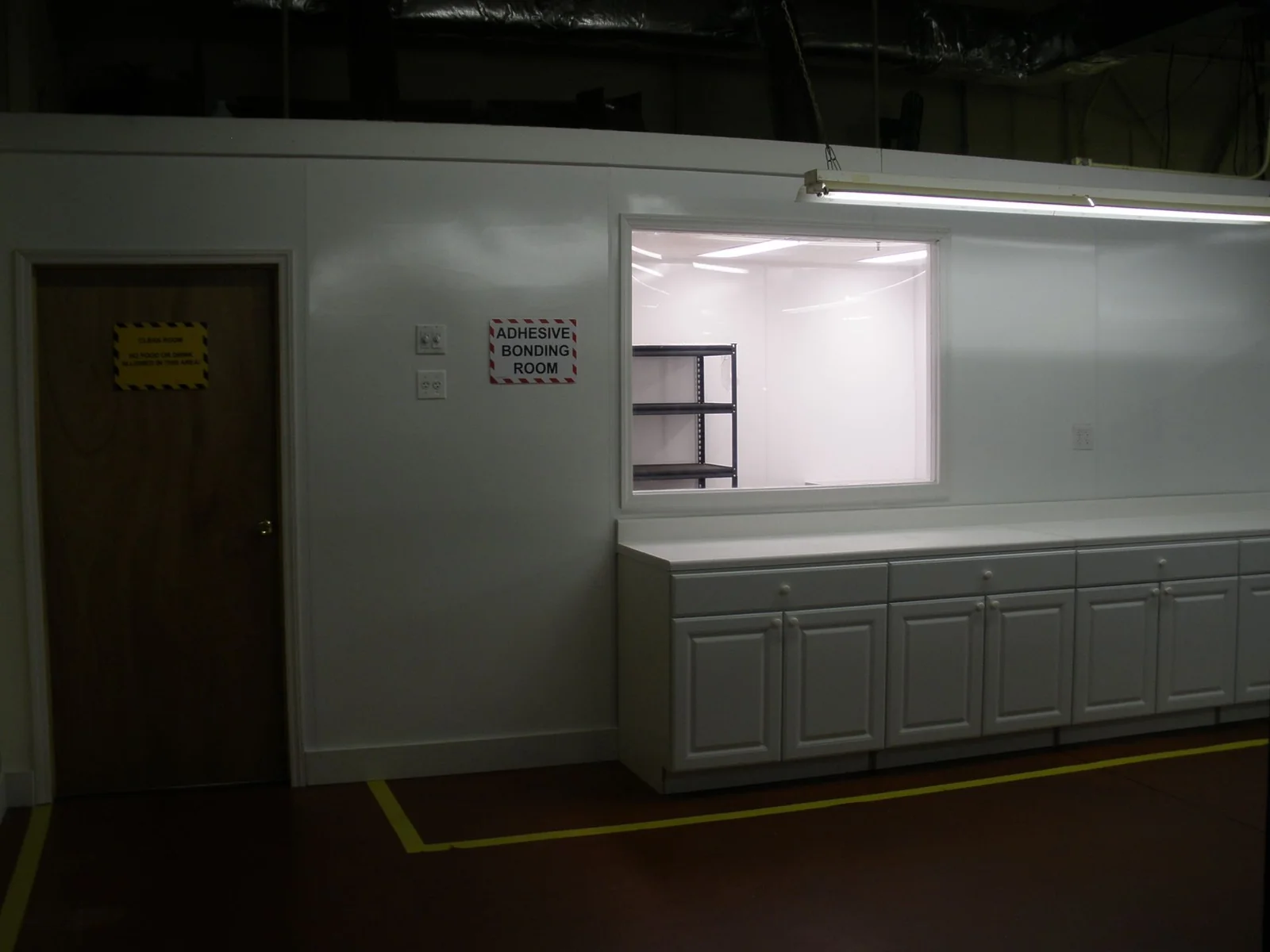
An environmentally controlled room. Adhesive chemistry is sensitive to both temperature and relative humidity. Moisture adsorbed onto a prepared surface in the interval before bonding will compromise adhesion, invisibly. This is why bonding takes place in a dedicated room with controlled temperature and humidity rather than on an open shop floor. TEK Precision's bonding room is environmentally controlled specifically for this reason.
Certified operators. Operator technique measurably influences bond quality — surface preparation consistency, adhesive application, fixture loading, timing between steps. Under SS8669, operators are individually qualified and their certification is maintained. It is not a facility approval that anyone on shift can work under.
In-house tensile testing. This is the requirement most often underestimated. SS8669 requires adhesive test panels to be produced alongside production bonding and tensile tested to verify the process was in control during that specific run. A supplier without an in-house tensile tester must send panels out, which introduces delay between bonding and verification — and if the panel fails, the production hardware bonded during that window is already downstream. TEK performs this testing in-house on an Instron tensile tester, with the facility rated for tensile testing to 10,000 pounds.
Supporting process verification. Bonded assemblies frequently incorporate machined components that have been ground, which brings the temper etch requirement into play — but that's a subject in its own right, covered separately.
Why the approval matters to buyers
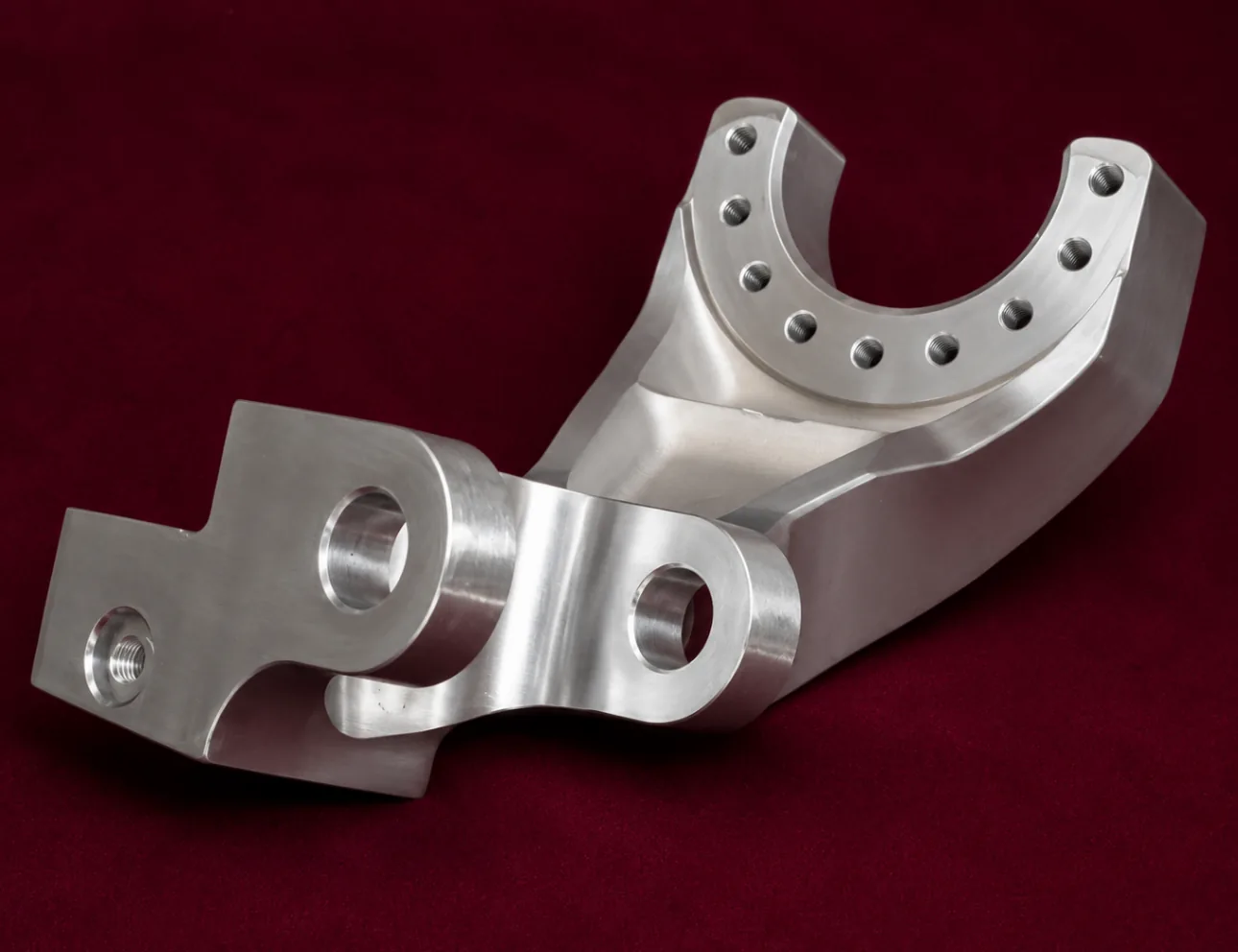
For a sourcing engineer, all-class approval changes what can be placed with a single supplier. A bonded assembly that also requires precision machining, thermal stress relief and dimensional inspection can move through one facility under one quality system, with one set of traceability records, rather than being split across a machining source and a separate bonding house.
That matters beyond convenience. Every transfer between facilities is a point where traceability can break, where handling damage can occur, and where schedule risk accumulates. For life-limited flight-critical hardware, consolidating those operations under one approval is a meaningful reduction in programme risk.
TEK Precision is approved to SS8669 for all classes of structural adhesive bonding on Sikorsky rotorcraft, performed in an environmentally controlled room by certified bonding operators, with thermal stress relief available in-house per SS8407 and SS8669 and adhesive test panels tensile tested on site.
Questions worth asking a bonding supplier
If you're qualifying a source for bonded rotorcraft hardware:
- Which specific classes of SS8669 does the approval cover, and when was it last audited?
- Is bonding performed in a dedicated environmentally controlled room, and what are the recorded limits?
- Are operators individually certified, and how is currency maintained?
- Is tensile testing of adhesive test panels performed in-house or subcontracted?
- Can the supplier also perform the associated thermal and inspection processes, or do parts leave the facility mid-route?
The answers separate suppliers who hold a bonding approval from suppliers who have built a bonding capability.
Related capabilities: Structural adhesive bonding capability · Our SS8669 bonding room · Bonding approvals and process control · The TEK production team
TEK Precision has manufactured components for Sikorsky rotorcraft programmes since 1982. To discuss a bonded assembly requirement, contact our engineering team.