Sourcing machined parts and assemblies from one supplier? What to verify on fit, inspection, traceability and documentation before you commit.
A supplier that machines, inspects and assembles in one place gives you one party accountable for how the parts fit together. To get that benefit, check that the supplier inspects parts before assembly, controls the assembly records, and can trace every component in the finished unit.
This guide explains what changes when assembly is added to machining, and the questions that show whether a supplier does it well.
Why assembly changes the sourcing decision
A machined part is judged against its own drawing. An assembly is judged on how its parts work together. Parts that each pass inspection can still fail to fit if tolerances stack up the wrong way, or if the wrong revision of one part is pulled from stock.
When machining and assembly are split across suppliers, parts travel between sites, and a fit problem found at assembly has to be traced back across a company boundary. When they sit in one building, the team that machined the part and the team that assembled it can resolve the problem directly.
What to verify before you approve a supplier
- Inspection before assembly. Ask whether every part is checked against its drawing before it enters an assembly, and what happens to a part that fails.
- Configuration control. Ask how the supplier makes sure the right drawing revision is used for every component, and how revision changes are handled mid-build.
- Traceability inside the assembly. Every component in a finished unit should link back to its material records and inspection results. Our guide to aerospace material traceability lists the documents to request.
- Final inspection and testing. Ask what is checked on the finished assembly and what is recorded. Where the drawing calls for functional testing, ask who performs it and how results are documented.
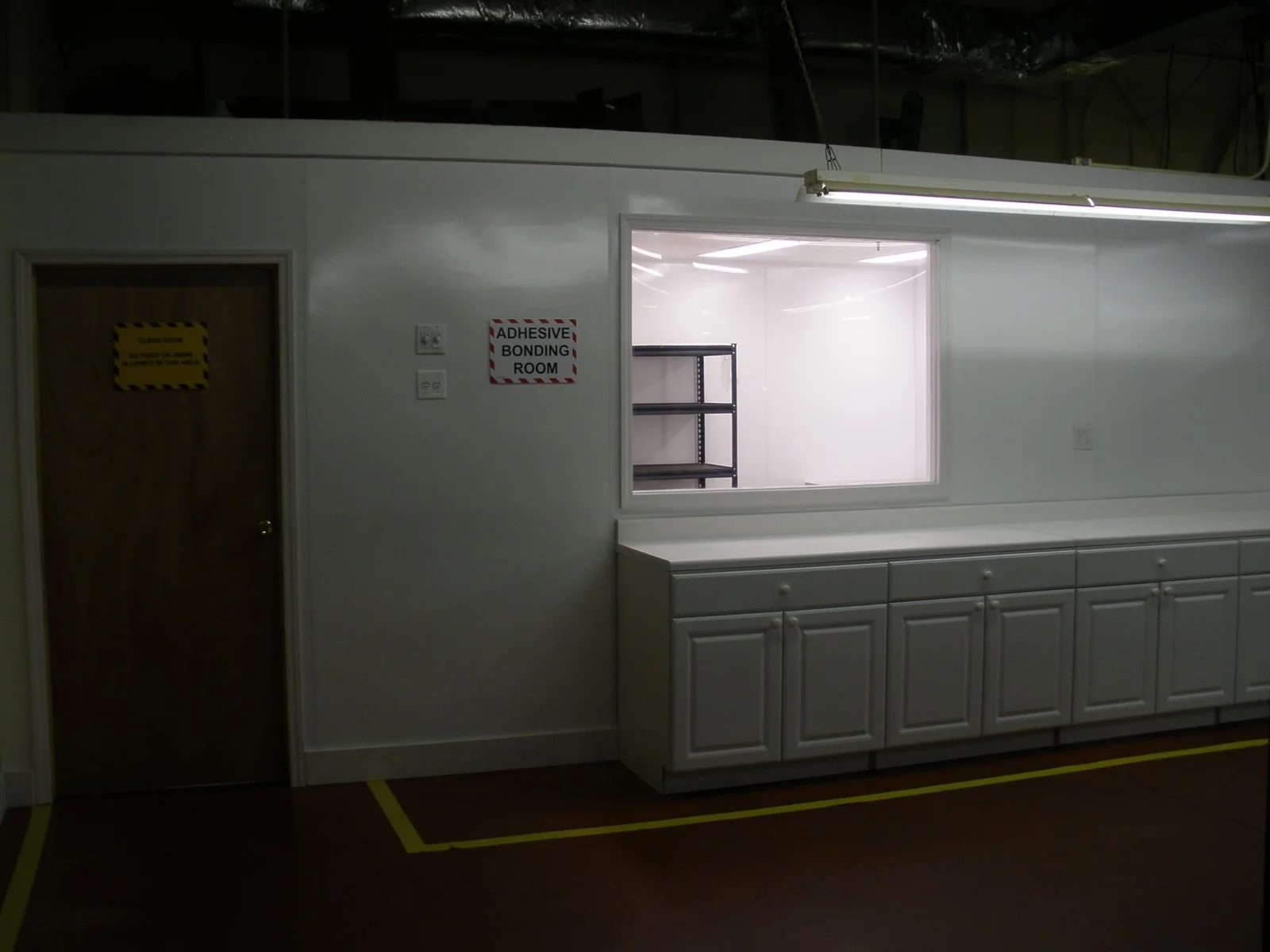
- Special processes. If an assembly includes bonding, heat treatment or similar steps, ask whether they are done in-house and under what approvals. See our guide to special process approvals.
- Records you receive. Ask what documentation ships with the assembly and whether it is built to your purchase order's requirements.
The checklist in What to Include in an Aerospace RFQ shows how to state these requirements up front, and How to Evaluate an Aerospace Machining Supplier covers the wider supplier review.
Watch for these warning signs:
- A supplier that cannot say where assembly is done or who does it.
- Inspection described only as "final inspection", with nothing checked before assembly.
- No clear answer on how drawing revisions are controlled.
- Components that cannot be traced individually once they are inside an assembly.
Machining and assembly at TEK Precision
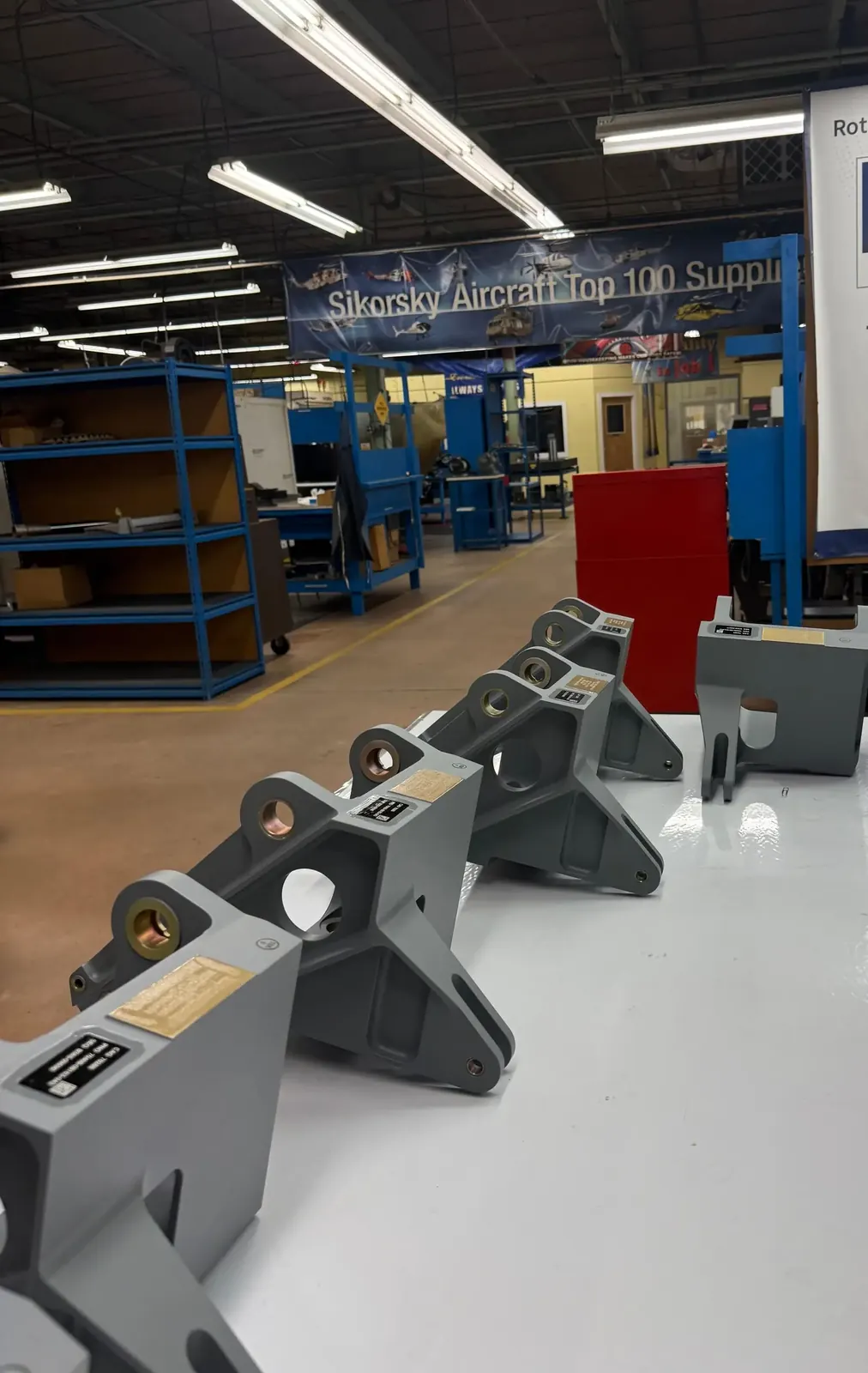
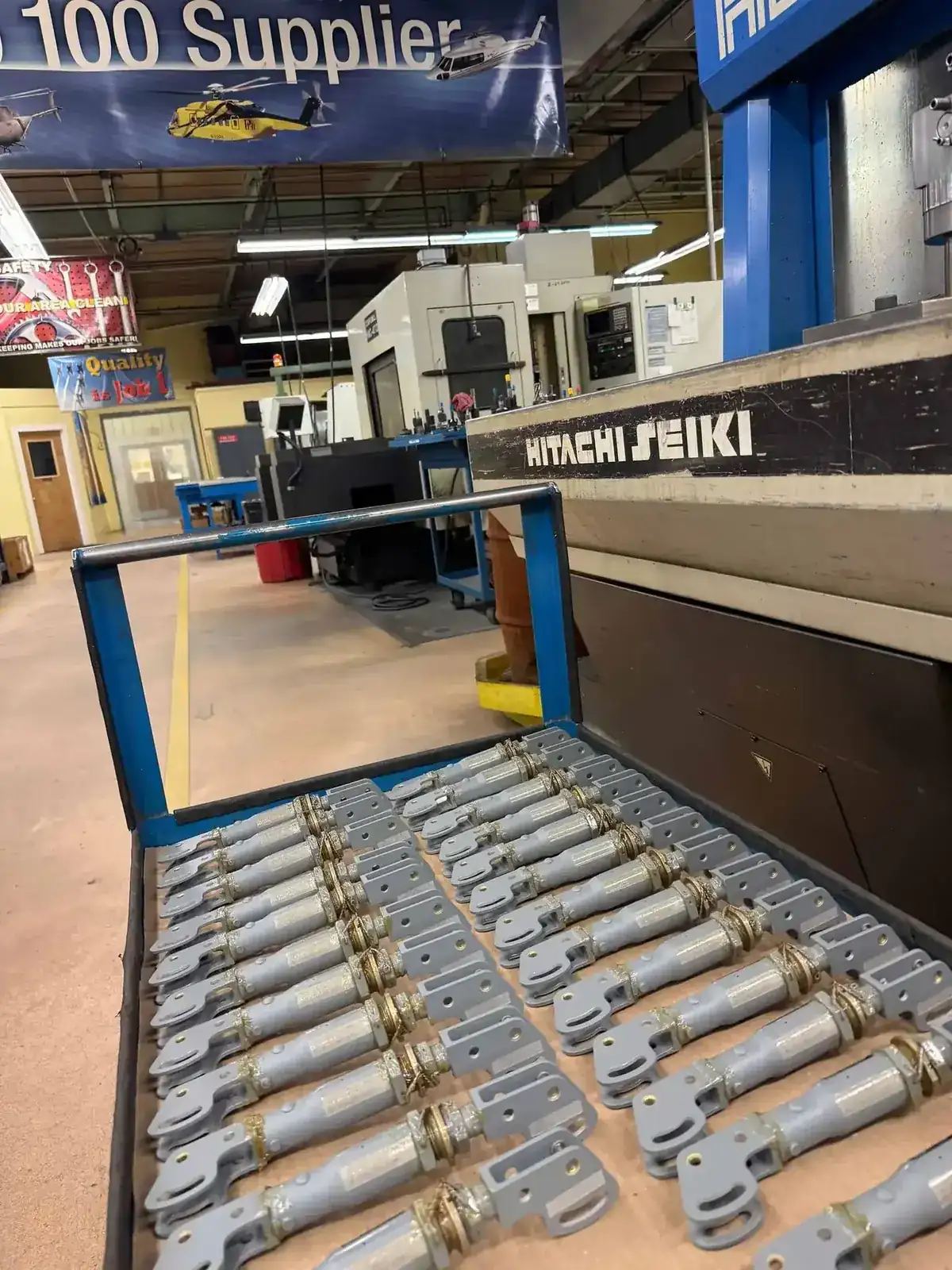
TEK Precision builds to print for Sikorsky rotorcraft and Northrop Grumman fixed-wing programs. At our Deer Park, New York facility, CNC machining, structural adhesive bonding, assembly and final inspection all happen under one roof.
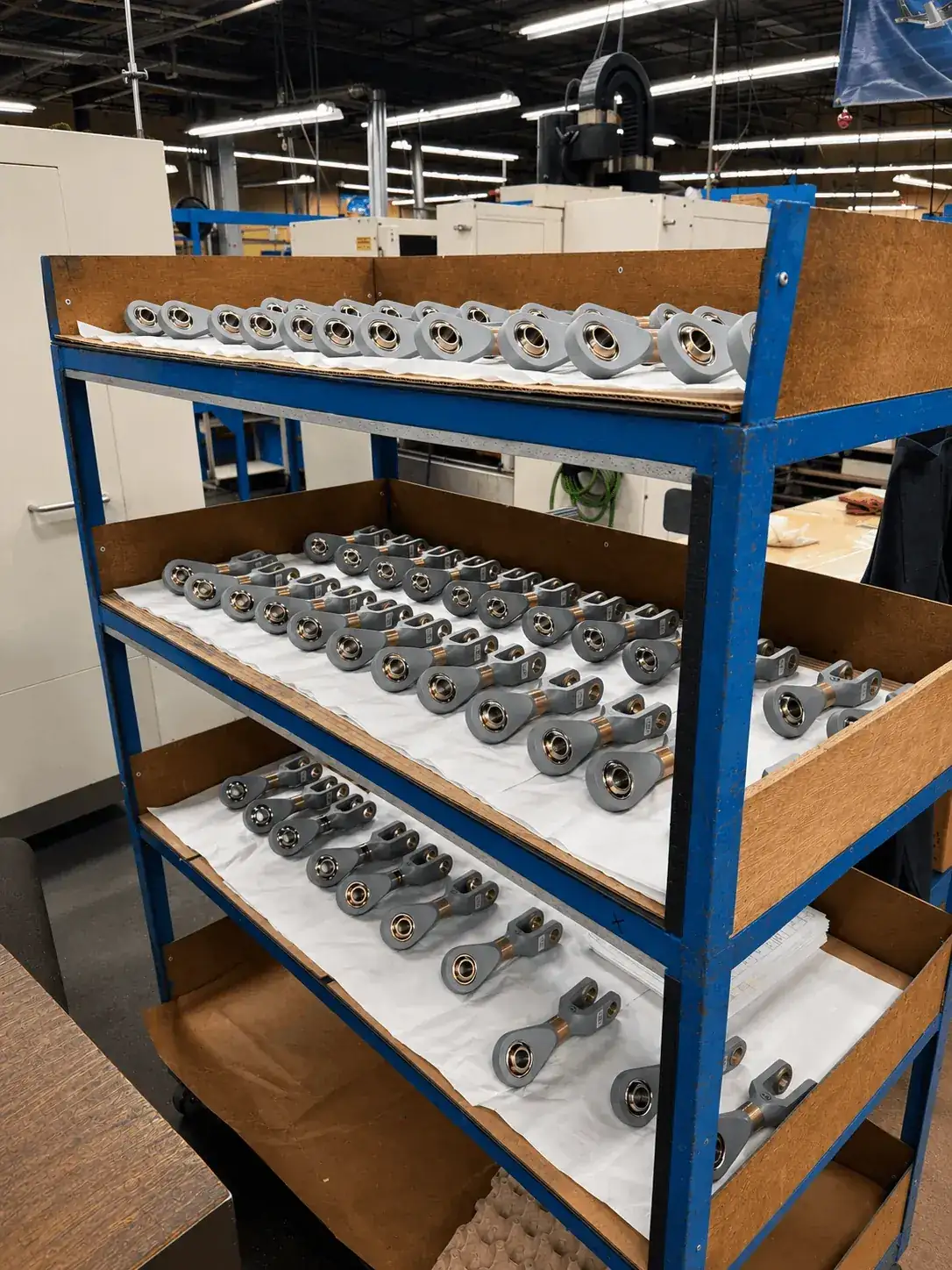
Our mechanical assemblies include transmission components, flight control linkages and structural hardware. Typical items are transmission gears, drive shafts, flight control linkages, bellcrank assemblies, mounting brackets and structural fittings.
Our hydraulic assemblies are built and tested to OEM specification. For the testing side, read Why Hydraulic Assemblies Need More Than Inspection.
Every product is built to order against OEM specifications, with inspection and testing at every stage of production. We are AS9100D / ISO 9001:2015 certified, and new part numbers receive 100% first-article inspection in AS9102 format.
To discuss an assembly program or arrange a facility audit, use our contact page.
Frequently asked questions
Why source machining and assembly from the same supplier? One supplier is accountable for both the parts and how they fit together, and problems found at assembly can be traced back without crossing a company boundary.
What should I ask about inspection on an assembly? Ask what is checked before assembly, what is checked on the finished unit, and what is recorded at each point.
Does a single supplier reduce risk? It removes transfers between sites, which are a common place for errors and delays. It does not replace the checks above, so verify them for any supplier.
What documents should come with a delivered assembly? That depends on your purchase order and drawings. Typical requests include material and process records, inspection results and a certificate of conformance. Specify them in the RFQ.
Related capabilities: Machining capabilities · Quality credentials and approvals · Inspection and test equipment