Insights & Industry Updates
News from the floor, perspectives from leadership, and updates on the programs and standards shaping aerospace manufacturing.
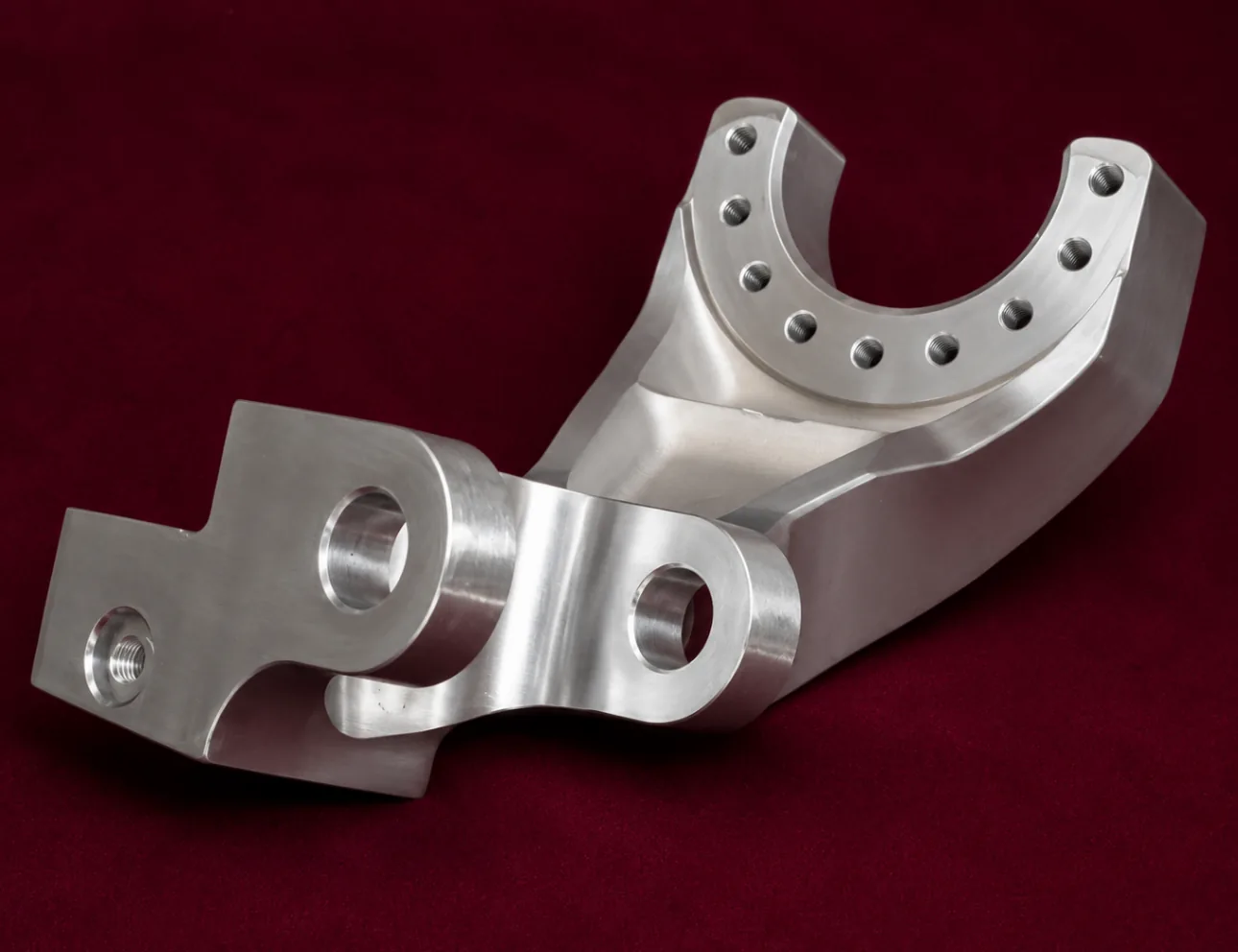
Full Material Traceability: From Mill Cert to Shipped Flight Part
What documents should aerospace buyers request? A guide to material certs, certificates of conformance and the traceability trail for flight parts.

Aerospace Special Process Approvals: What Buyers Should Verify Before Choosing a Supplier
Compare special process approvals before you choose an aerospace supplier. What each approval means, what to verify and what to ask.
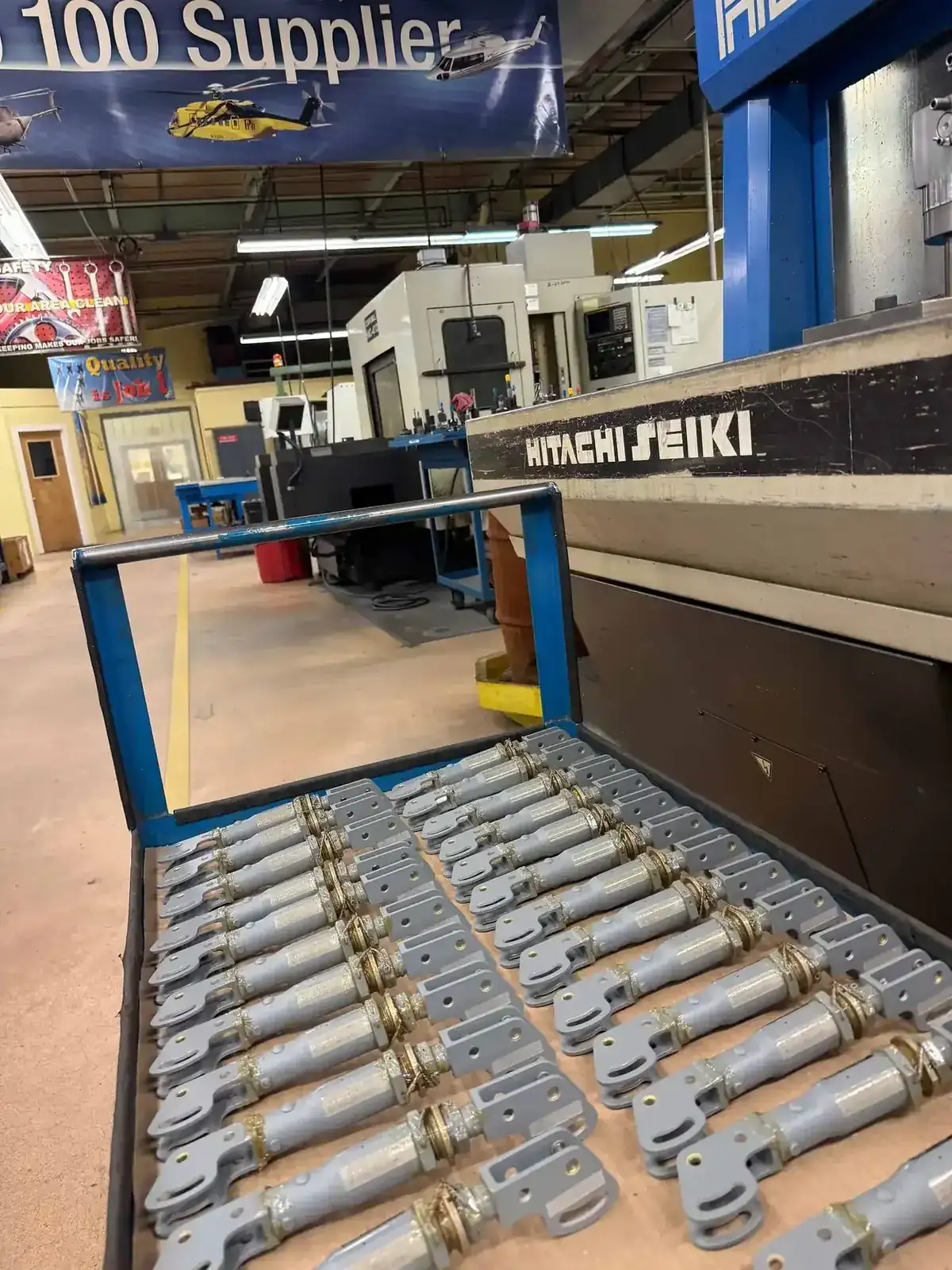
Turnkey Mechanical Assemblies: What Tier-1 OEMs Gain From One Qualified Source
Sourcing machined parts and assemblies from one supplier? What to verify on fit, inspection, traceability and documentation before you commit.
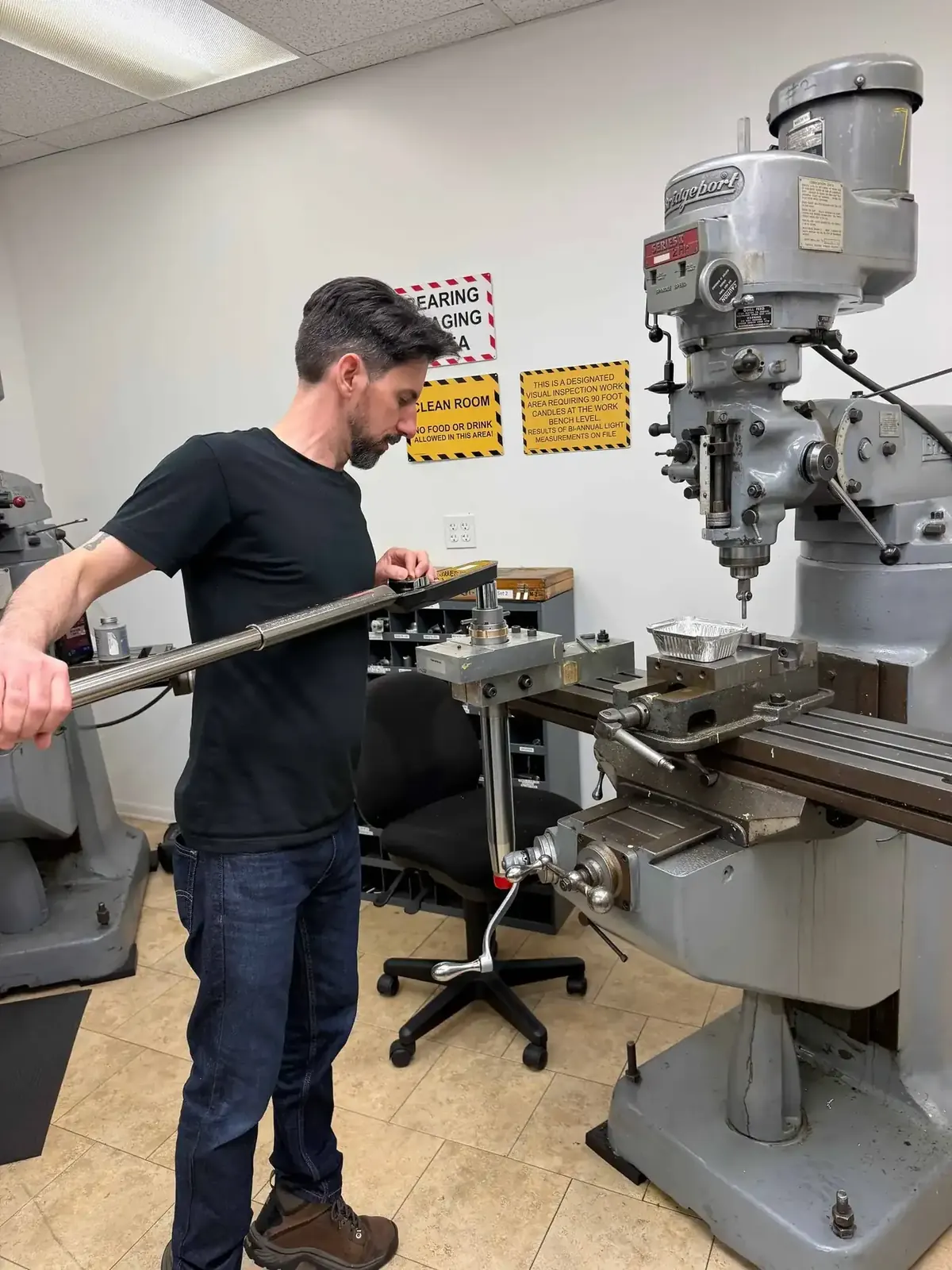
Calibration and Temperature Control: Keeping Measurements True Through Winter
Temperature changes measurements. What to ask a supplier about calibration, NIST traceability and how parts are measured.
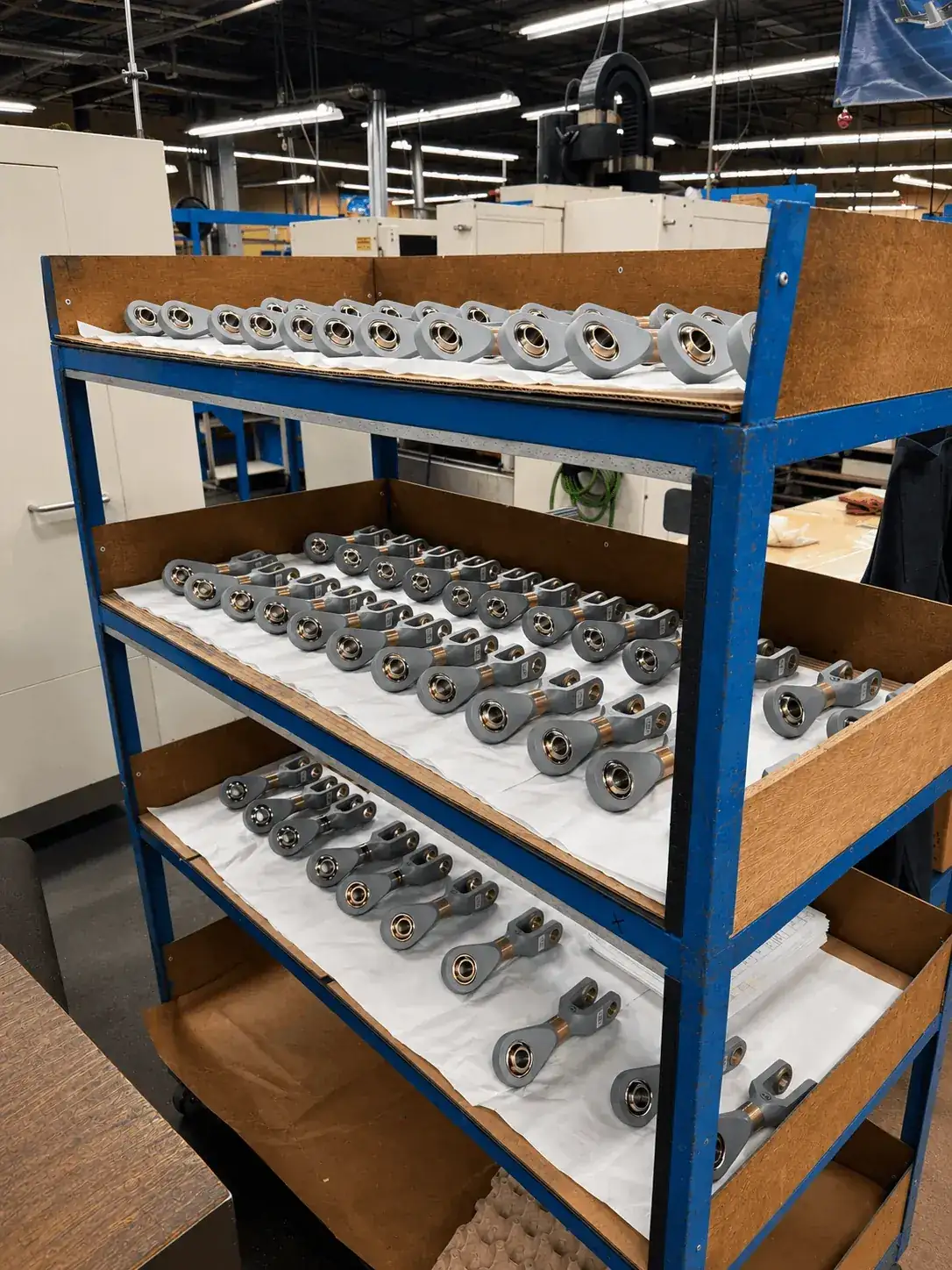
What to Include in an Aerospace RFQ
A complete request for quote gets an accurate price the first time. Here is what aerospace buyers should send, and how to handle controlled technical data.
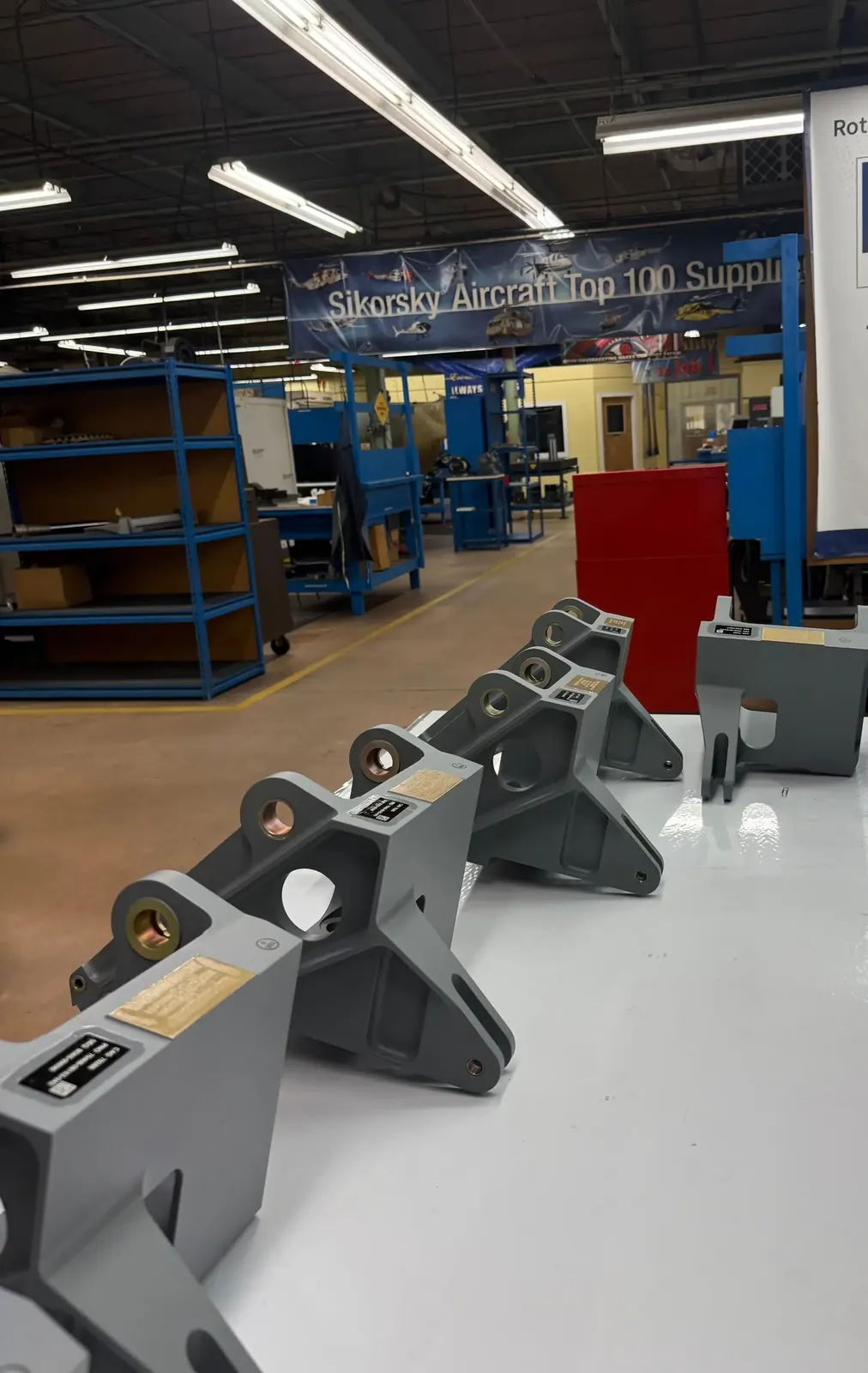
How to Evaluate an Aerospace Machining Supplier
A quality certificate is where supplier evaluation starts, not where it ends. A practical checklist for procurement and supplier-quality teams qualifying a machining supplier for flight hardware.
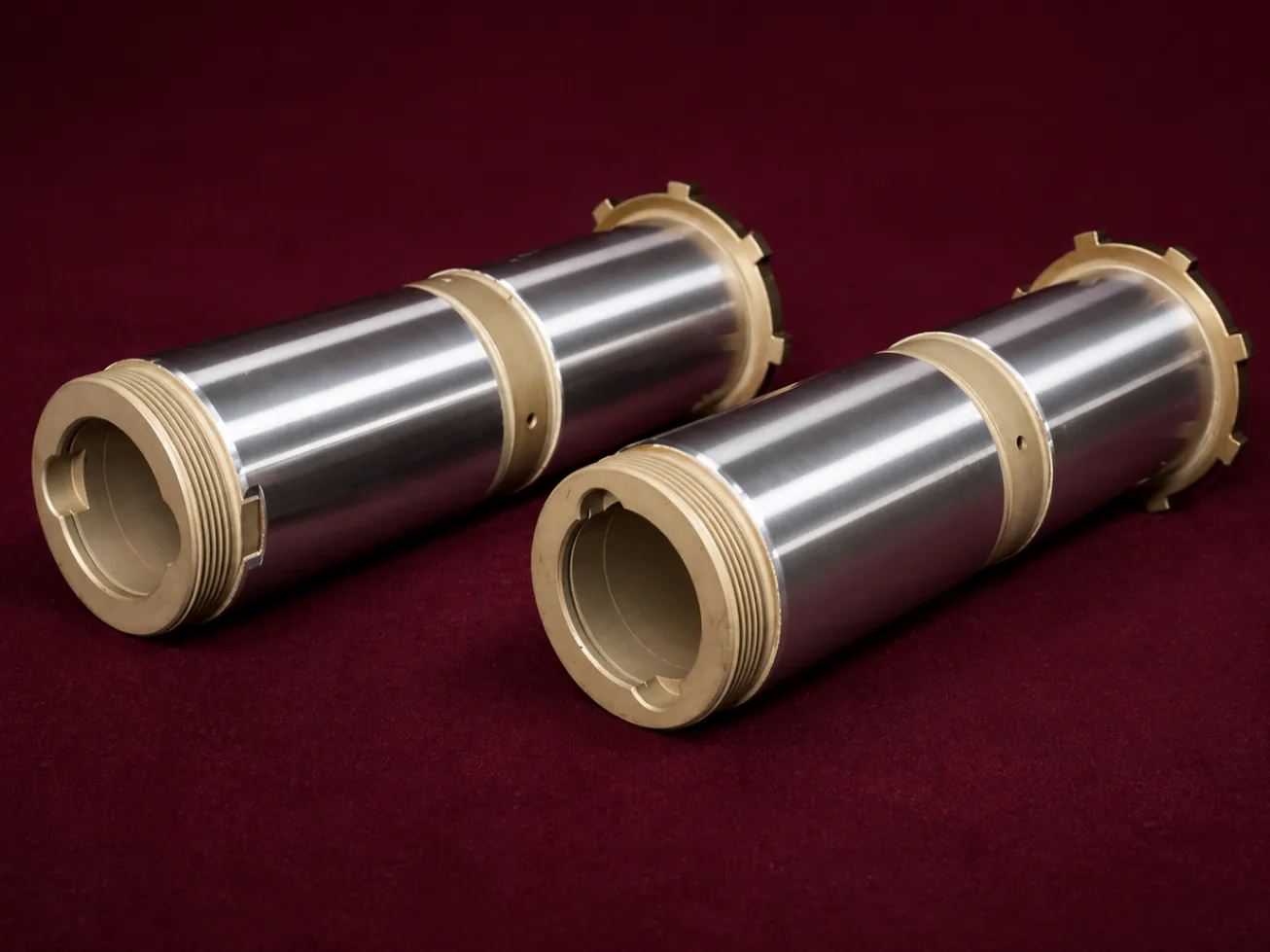
Rockwell, Brinell, Vickers or Microhardness: Choosing the Right Test
A hardness number only means something alongside the method that produced it. How the four main ASTM hardness tests differ, and when aerospace drawings call for each.
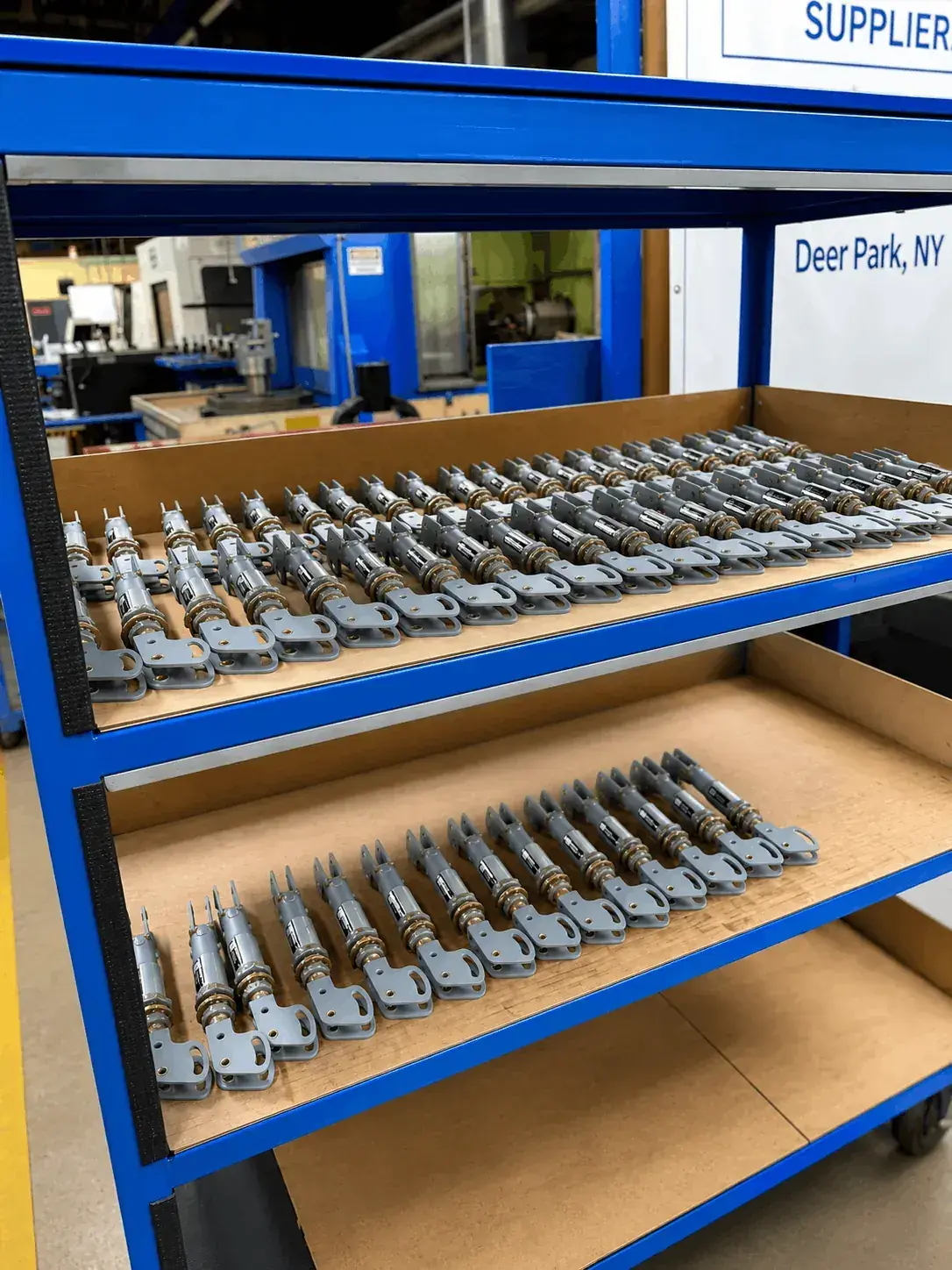
Thread Gaging for Flight Safety-Critical Fasteners
A thread that accepts a GO gage is not necessarily a conforming thread. How safety-critical aerospace threads are inspected, and why functional checks are only part of the answer.

Why Hydraulic Assemblies Need More Than Inspection
For most aerospace components, dimensional conformance is the acceptance criterion. For hydraulic assemblies it is only the starting point.
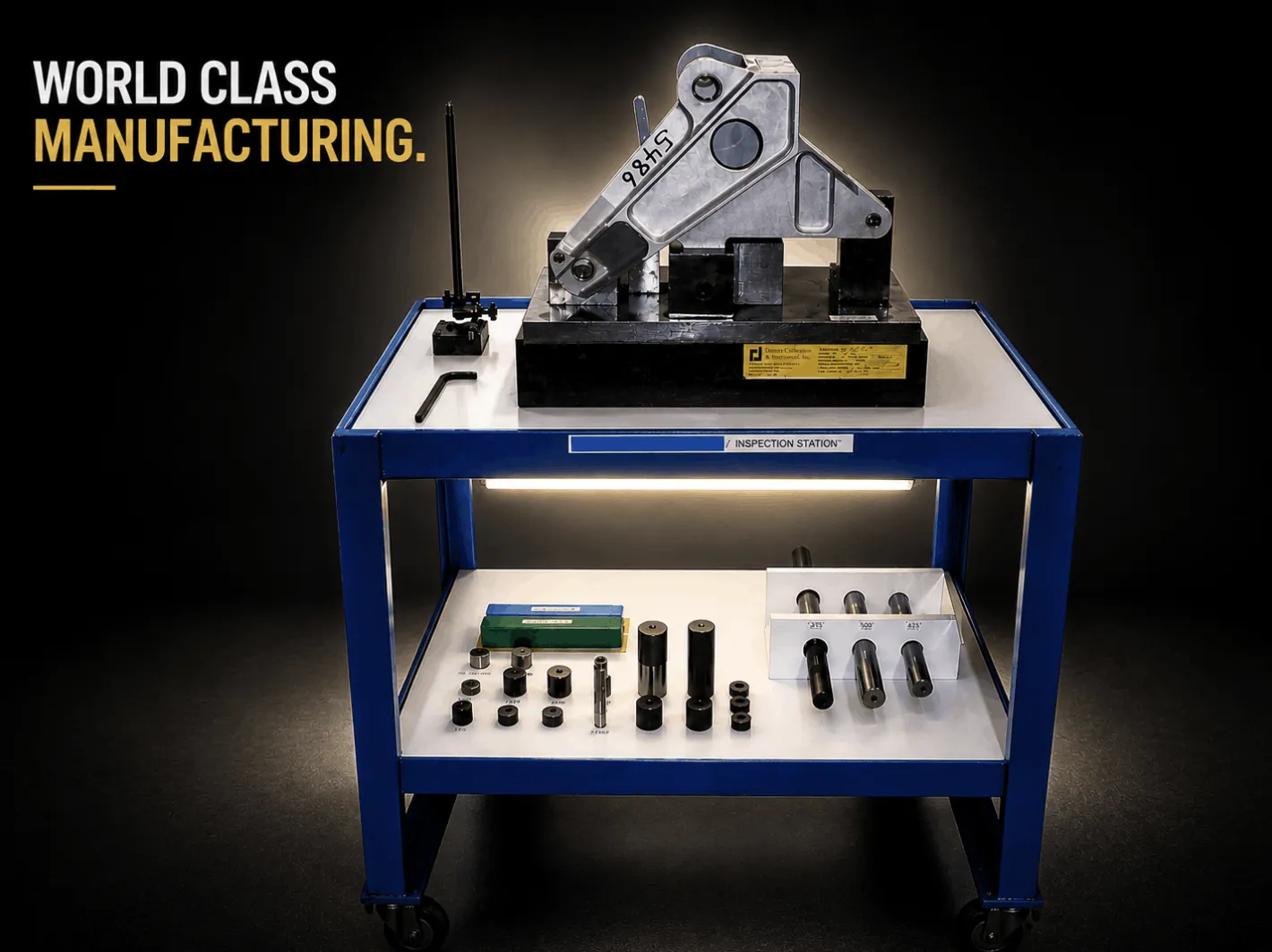
First-Article Inspection: What Buyers Should Actually Expect
An FAI is not a dimensional report. It is evidence that a production process — not a one-off part — will reliably produce conforming hardware.
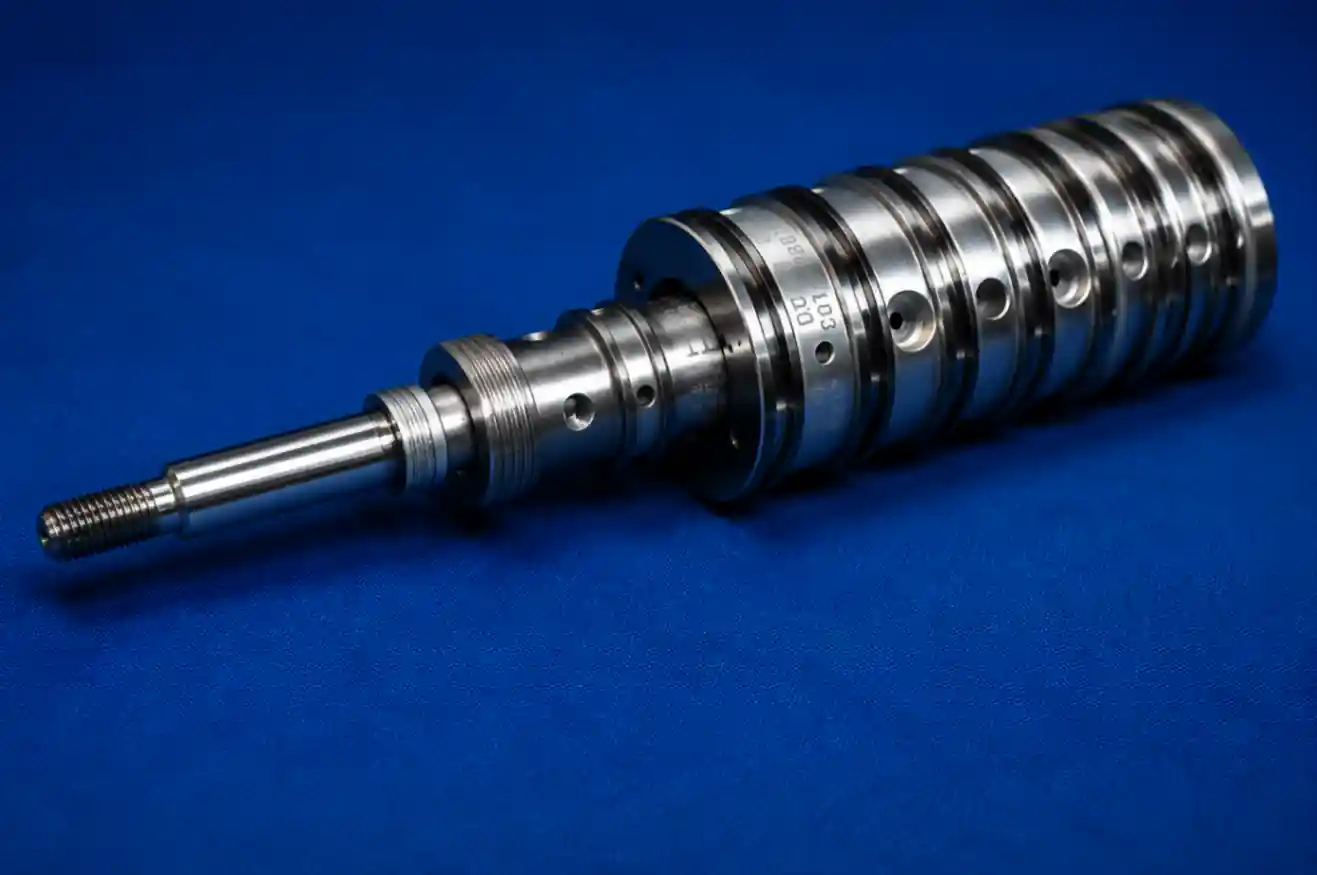
Grind Burn: The Defect You Cannot See
A ground surface can pass every dimensional check and still be metallurgically compromised. Nital etch inspection exists because grind burn leaves no trace a micrometer can find.

What SS8669 All-Class Bonding Approval Actually Means
Structural adhesive bonding on rotorcraft is governed by Sikorsky specification SS8669. Approval to all classes is rare, and the reasons why say a lot about what the process actually demands.